



News:
Brokerage
Posted: January 16, 2024
Keep McGuinness running or keep McGuinness safe? How about both? - by Magal Gabay

As a resident of McGuinness Blvd. and being a new father, I get to walk around the neighborhood quite often. During the past few months, anyone who walks in Greenpoint couldn’t miss the signs supporting and opposing the new plan to redesign McGuinness Blvd.
The new plan offers that from Calyer St. to the Pulaski Bridge there will still be two lanes of traffic and a bike lane in each direction from 7 a.m. to 7 p.m. and outside of those hours, one traffic lane will become parking. While, from Meeker Ave. (right near the BQE) to Calyer St., the two traffic lanes will become one in each direction joined by a bike lane and a parking lane during the whole day.
The pro-redesign group “Make McGuinness Safe” reckons that the extra safety is required following a deadly accident that occurred on the road. They also claim that the heavy trucks traffic is not to support local services but rather because of truck drivers preference to cross the city through McGuinness Blvd. merely to save 90 seconds of driving, according to research. This leaves the local community with a lacking sense of safety when crossing or walking by the road, especially when doing so with children (which is common in a neighborhood with a many young families as Greenpoint).
Members of the opposition group “keep McGuinness Moving” believe that reducing traffic to just one lane would make an endless traffic jam, impact businesses on the stretch and force truck drivers to drive through less main streets in Greenpoint.
In my opinion the new design is better for everyone and will eventually benefit both groups. Although it is very likely that immediately after merging the two lanes into one, traffic will be slower. But just like any inefficient market, when drivers will experience the slow traffic, they will ultimately take other main routes in future rides, and McGuinness will be running again, and this time will be safer for pedestrians and bikers. So, McGuinness will be both running and safe.
As per business owners concerns, they are certainly valid, but at the same time, I’d encourage them to see the big picture. This plan has the potential to reduce auto repair shops and other polluting businesses on the stretch and therefore enlarge the demand for residential buildings. Such demand will increase the value of McGuinness’s Blvd real estate and the potential foot traffic. All these factors will increase demand for restaurants, coffee shops, laundromat, wine stores and any other businesses catering for residents. The owners of repair shops might be pushed further out, but if they currently own their property, they might be able to sell at an increased value.
Magal Gabay is an investment sales associate with Besen Partners, Manhattan, N.Y.
Tags:
Brokerage
MORE FROM Brokerage
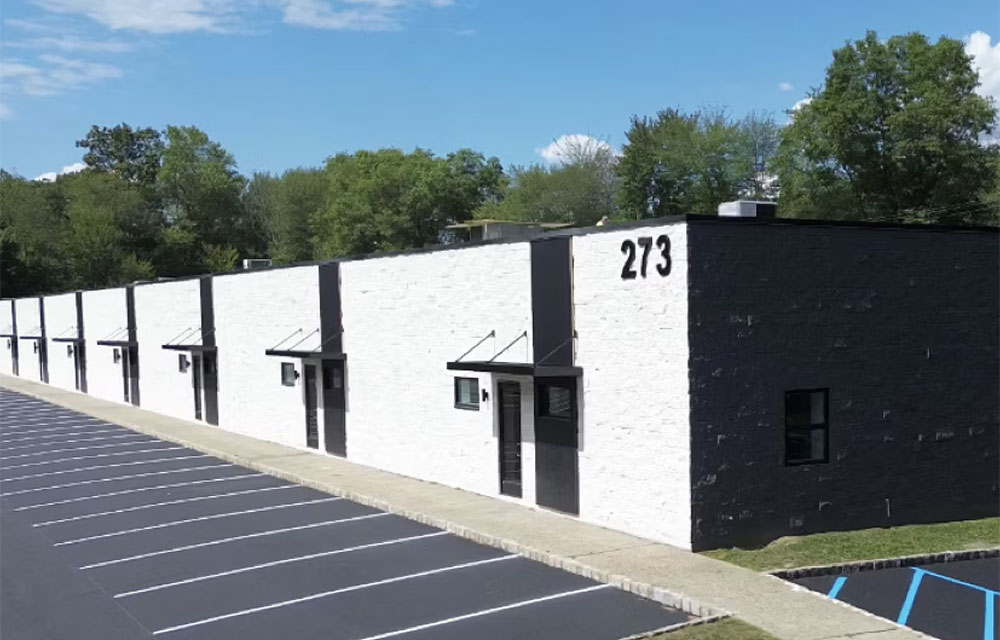
Resource Realty of Northern NJ delivers complete lease-up of 235 Franklin Rd. for Commerce Park Investors
Randolph, NJ Resource Realty of Northern New Jersey (RRNNJ) has completed the lease-up of a 10-unit small-bay industrial property at 273 Franklin Rd., marking the culmination of an investment strategy that began



Quick Hits

Columns and Thought Leadership

A guide to finding the right NYC property management company - by Sanjay Gandhi
Being a small to midsize landlord in NYC is an increasingly demanding endeavor. From navigating complex regulations, increased compliance demands to dealing with tenant issues and remediating violations. It is wise to enlist the assistance of a partner, a professional

New York’s streets are full again, and the retail numbers prove it - by Noam Aziz
Walk down any New York block this year and you can feel it. The sidewalks are crowded, the storefronts are lit, and the energy that defines this city is back at full volume.

Hunt commercial real estate question and answer: Fortune 500 wisdom - by David Hunt
Yes, there are lessons to be learned from the largest companies in America when comes to managing your real estate. But the decision to buy or lease real estate may not be one of

Positive forecast for New York’s pro-housing push? - by Philip Butler
New York’s housing crisis remains a hot button topic despite growing consensus that varied and affordable housing is desperately needed statewide. Governor Hochul has recently introduced several initiatives to overcome N.Y.’s anti-housing
.gif)